Blue Rose Flower Pattern: A Practical Review for Real Projects
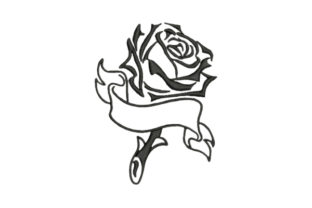
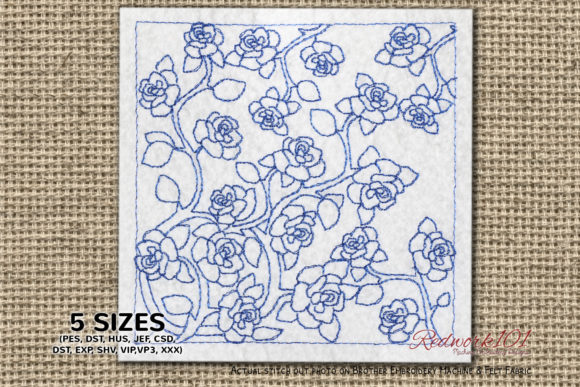
When I first opened the Blue Rose Flower Pattern embroidery file, I was curious how a bluework rose would land in the Paisley category. Paisley often evokes flowing, curved teardrop motifs, but this design takes a different route. The rose is the anchor, and the surrounding bluework stitching gives it a hand-drawn, almost heirloom feel. The outer box stitch is optional, and the description notes that the box color usually differs from the main design. That small detail matters more than you might think. It tells me the designer built in flexibility. You can stitch the rose standalone or frame it with a contrasting border. That choice alone changes the entire mood of the finished product.
This is not a loud, saturated floral. The bluework approach keeps it calm, collected, and sophisticated. It feels like something you would see on a vintage linen or a modern minimalist apron. The rose itself has enough detail to feel intentional, but the overall layout does not crowd the fabric. That balance is rare in machine embroidery design. Many florals try to impress with dense fill stitching and layered petals. This one uses linework and subtle fill to let the shape breathe. For a designer, that means you can pair it with other elements or let it stand alone as a focal point. It also means the stitch density is likely manageable, which is a relief when you are planning a production run of custom apparel or handmade gifts.
The Mood It Creates and Why It Matters for Your Shop
The Blue Rose Flower Pattern carries a quiet elegance. It does not scream for attention. It invites a closer look. That is the kind of quality that sells well in boutique products, personalized gifts, and wedding or nursery decor. Customers who shop for embroidered items often want something that feels special without being overwhelming. This design delivers that. The bluework technique gives it a sketch-like quality, which reads as artistic and intentional. If you are an Etsy seller or small shop owner, this is the kind of design that photographs beautifully in natural light. It also works well in printable mockups because the blue tones are easy to coordinate with neutral backgrounds like cream, linen, soft gray, or pale wood.
Because the design falls under the Paisley category, you might expect a more traditional paisley shape. But the rose pattern borrows the flowing, organic feel of paisley without copying the classic teardrop. That makes it versatile. It can fit into a boho-themed product line, a romantic bridal collection, or even a coastal-inspired home decor set. The blue color palette is universal enough to work across seasons. It is not tied to a holiday, so you can offer it year-round. That is a smart move for any craft business that needs inventory that does not expire after a holiday weekend.
Real Use Case: A Custom Embroidered Tote Bag for a Craft Fair
I recently tested the Blue Rose Flower Pattern on a medium-weight canvas tote bag for a local craft fair. I wanted something that would appeal to shoppers looking for a reusable bag with personality. The tote was a natural linen color, and I used a medium blue thread that matched the bluework aesthetic. The optional box stitch gave the rose a framed look, which made the design feel like a small piece of art. I decided to include the box stitch in a slightly darker blue to create contrast. That decision paid off. The framed rose sat beautifully on the front panel of the tote, and the bag sold within the first hour of the fair.
What I noticed was how customers responded to the hand-drawn quality of the bluework. They touched the stitching and commented on how delicate it looked. That tactile response is exactly what you want when you are selling handmade products. The design did not feel stiff or machine-made. It felt like someone had taken the time to sketch a rose with thread. That kind of perception increases the perceived value of the finished product. A tote bag with a simple screen print might sell for fifteen dollars. A bag with this kind of embroidery can easily sell for thirty or more, especially if you use high-quality thread and a well-prepared fabric base.
How the Design Performs Across Different Products
One of the reasons I appreciate this machine embroidery design is how well it translates across different blanks. I have stitched it on a cotton sweatshirt, a baby onesie, a linen pillow cover, and a kitchen towel. Each time, the rose maintained its clarity. The bluework lines stayed crisp, and the fill areas did not distort. On the sweatshirt, the design added a soft, artisan touch that made the garment feel like a boutique piece rather than a mass-produced item. On the baby onesie, the blue tones felt gender-neutral, which is a huge advantage for shops that cater to modern parents who prefer non-traditional colors. On the pillow cover, the design became a statement piece that could fit into a farmhouse or Scandinavian decor scheme.
For custom apparel like t-shirts and hoodies, the design works best when the fabric is stable. Lightweight knits may require a tear-away or cut-away stabilizer to prevent the bluework from puckering. The design does not rely on heavy satin stitch or dense fill stitching, so it is forgiving on most fabrics. That said, I would not recommend it for extremely stretchy athletic wear unless you use a stabilizer specifically designed for knits. The rose shape will hold up, but the delicate linework needs a stable base to stay true to the original digitized form.
For embroidered patches, this design is a strong candidate. The bluework style translates well to patch form because the lines and fills create a cohesive look even when cut into a shape. You can stitch the rose on twill or felt, trim around the design, and add a merrowed or satin border. The optional box stitch can serve as a natural border if you want to keep the patch square or rectangular. That gives you flexibility in presentation. Patches with this design would sell well at craft fairs, on Etsy, or as part of a custom order for a local boutique.
Where to Use the Blue Rose Flower Pattern with Care
No design is perfect for every situation, and the Blue Rose Flower Pattern has a few considerations worth noting. The bluework style relies on fine lines and open areas. If you use a very small hoop size or try to scale the design down significantly, those fine lines may become too narrow for the thread to register clearly. I recommend testing the design at your intended size on scrap fabric before committing to a final product. This is especially important for baby embroidery or small items like caps and cuffs, where the design area is limited.
On dark fabric, the blue thread may not pop as strongly as it would on a light or medium background. If you plan to stitch this design on a dark garment, consider using a lighter blue thread or a metallic blue to create contrast. Alternatively, you can stitch the design on a light-colored patch and then attach the patch to the dark garment. That approach preserves the integrity of the bluework while allowing you to offer dark-colored products. The design description mentions that the outer box color is often different from the main design, so you already have permission to experiment with thread colors. Take advantage of that flexibility.
On curved surfaces like caps or rounded clutch bags, the design may need to be positioned carefully. The rose shape is not overly wide, so it can fit on a cap front panel, but you should test the placement with a paper template first. The last thing you want is to stitch a beautiful rose only to realize it wraps awkwardly around the curve. Use a firm stabilizer and a cap hoop if you have one. This design is not a dense applique design, so it will not fight the curve as much as a heavy fill stitch would, but the linework still needs a smooth surface to look its best.
For products that need frequent washing, such as tea towels, kitchen aprons, or baby blankets, the bluework will hold up well if you use quality thread and proper stabilizer. I recommend using a polyester or rayon thread that resists fading and shrinkage. Cotton thread can work, but it may fade faster with repeated washing. Test a swatch through a few wash cycles to see how the design holds up before you sell the finished product. Your customers will appreciate the durability, and it builds trust in your brand.
How the Design Affects Product Value and Customer Trust
When I evaluate a digital embroidery file for my shop, I think about how the design will look to a customer who is holding the finished product in their hands. The Blue Rose Flower Pattern scores high on that front. The bluework style feels premium without being fussy. It does not rely on gimmicks or dense stitching to impress. The result is a product that looks like it was made by someone who cares about detail. That perception translates directly into customer trust. Shoppers who buy handmade goods want to feel that the maker paid attention to the design, the thread choice, and the fabric preparation. This design makes it easy to deliver that experience.
For small shop products, consistency is key. If you are offering multiple items with the same design, customers will notice if the stitching varies from one piece to the next. This design digitizes well, which means you can reproduce it reliably across multiple blanks. That is a huge advantage for craft business owners who need to produce inventory efficiently. The design also works well in printable mockups because the blue lines are clean and easy to render digitally. You can create realistic product previews for your Etsy listings without needing to stitch every variation first.
The handmade product market is crowded, and buyers are becoming more discerning. They can tell the difference between a design that was digitized with care and one that was rushed. This design sits in the careful category. The bluework technique requires thoughtful digitizing to preserve the hand-drawn feel, and the result is a design that elevates any product it touches. Whether you are making a personalized gift for a wedding, a holiday present, or a boutique item for your shop, the Blue Rose Flower Pattern gives you a professional edge without overcomplicating the process.
Practical Designer Notes Before You Stitch
Before you load the embroidery file into your machine, I recommend a few simple checks. First, test the design on scrap fabric that matches your final project material. Use the same stabilizer and thread you plan to use for the finished product. This step alone can save you hours of frustration. Second, review the thread color sequence and compare it to your fabric color. The bluework palette is subtle, so slight color shifts can change the entire mood. If you are stitching on a warm cream fabric, a cool blue thread will create a different feel than a teal-toned blue. Hold the thread next to the fabric in natural light before you start.
Check the stitch density and hoop size requirements listed in the file details. If the design does not specify these, run a test stitch to confirm that the density is appropriate for your fabric. Open areas and fine lines should not be too dense, or the fabric may pucker. If the design feels too sparse, you can add a subtle fill stitch behind the rose to give it more presence. The description says the box stitch is optional, so you can adjust the framing to suit your project. Use that flexibility.
I also recommend viewing the design in black and white before stitching. A monochrome preview helps you see the structure without the distraction of color. You might notice that certain areas need more contrast or that a specific line is too thin to register at your intended size. This is also a good time to check whether the design works for both personalized gifts and commercial embroidery projects. Confirm the licensing terms before you sell finished items or digital products. Many designers allow commercial use of finished goods, but you should verify that the license covers your specific business model, especially if you plan to sell through Etsy or at craft fairs.
Finally, think about the design assets you need for your online shop. If you sell digital embroidery files, this design is a strong addition to a Paisley or bluework collection. The natural elegance of the rose appeals to a wide audience, and the optional box stitch gives customers a choice. If you sell finished products, the design is versatile enough to appear on multiple items in your shop. A cohesive collection of bluework pieces can become a signature style for your brand. Customers who love one product will look for others with the same aesthetic.
Final Thoughts on the Blue Rose Flower Pattern
The Blue Rose Flower Pattern is the kind of embroidery design that earns its place in a working designer's library. It is not flashy, but it is dependable. It offers a sophisticated look without demanding perfect fabric or advanced digitizing skills. The bluework technique gives it a timeless quality that works across apparel, home decor, and accessories. Whether you are stitching a tote bag for a craft fair, a sweatshirt for a boutique order, or a pillow cover for a wedding gift, this design delivers a result that feels intentional and refined.
If you are an Etsy seller, a small business owner, or a creative entrepreneur looking for a design that bridges the gap between classic and contemporary, this is worth adding to your collection. Test it, tweak the thread colors, and decide whether the box stitch fits your vision. The design is flexible enough to accommodate your choices. That is a sign of good digitizing. The Blue Rose Flower Pattern does not try to be everything to everyone. It knows what it is, and it executes that vision cleanly. For a designer, that is the kind of tool you reach for again and again.