My Machine is Calling and I Must Sew
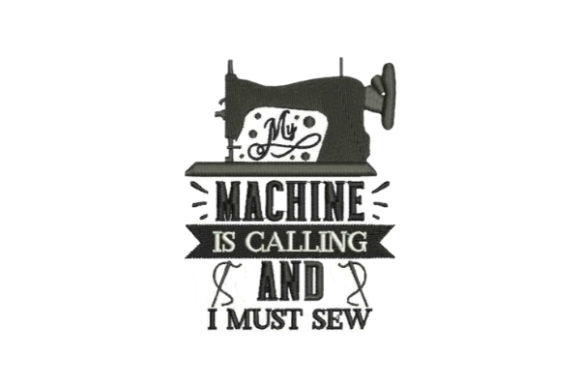
As an embroidery designer who has reviewed hundreds of machine embroidery designs for small business merchandise, I can tell you that the title "My Machine is Calling and I Must Sew" immediately signals a playful, handmade, and passionate aesthetic. It feels like a design born from the heart of a crafter, not a sterile corporate template. The promise of a catchy embroidery design that lets everyone know sewing is your passion is exactly what many small business owners need when they want their merchandise to feel personal and approachable. Before I approve any embroidery file for a client's branded patch or custom apparel run, I look at first impressions, technical performance, and commercial viability. Let me walk you through how this design holds up when you move from the digital file to finished product.
First Impression: Handmade Personality Meets Business Potential
The first thing I notice about "My Machine is Calling and I Must Sew" is its voice. This is not a design that whispers. It announces a love for the craft with a wink. For a small business, that kind of friendly, bold personality can be a powerful asset. If you run a creative studio, a handmade boutique, a bakery, a florist, or a pet brand, this machine embroidery design can become a conversation starter on your merchandise. It feels rustic and handmade, but in a polished way that suggests quality. The design likely works best as a statement piece on a tote bag, an apron, or a work shirt. It does not try to be elegant or corporate, and that is its strength. For a café that wants to show its handmade roots or a craft shop that wants to connect with customers who sew, this embroidery file builds instant recognition and trust. The first impression is welcoming, memorable, and deeply connected to the maker community.
Performance in Real Business Use: Patches, Uniforms, and Merchandise
When I evaluate any machine embroidery design for small business merch, I consider how it behaves across multiple applications. "My Machine is Calling and I Must Sew" can serve as a versatile asset for embroidered patches, staff uniforms, aprons, caps, tote bags, and product packaging accents. Let me break down how it performs in each scenario.
Embroidered Patches for Branded Merchandise
Patches are one of the most popular ways to use this kind of design. A patch featuring "My Machine is Calling and I Must Sew" can be sewn onto jackets, backpacks, or even framed as a wall decoration at a retail counter. The design's playful tone makes it ideal for patch collections sold as add-on merchandise. For a handmade brand, these patches can become collector items that customers sew onto their own gear. The key is to test the design at a small patch size first. Detailed outlines or tiny lettering may not survive scaling down, so I always recommend running a test stitch on felt or twill before committing to a full patch run. If the embroidery file uses moderate stitch density and clear shapes, it will hold up well as a patch that can be cut and backed.
Caps and Aprons: Curved Surfaces Require Care
Cap embroidery is a common request from small businesses. Putting "My Machine is Calling and I Must Sew" on a cap front can work if the design is compact enough to fit within the typical cap embroidery area. The curve of the cap can distort lettering or detailed elements, so I advise checking the hoop size and the design's natural shape. If the design is too wide or tall, it may not sit well on a cap without puckering. Apron embroidery, on the other hand, offers more space. A chest-level placement on a canvas apron can look fantastic. The design's handmade feel complements the texture of a sturdy apron. I would pair it with a contrasting thread color to make the words pop against the fabric. For a bakery or a florist, an apron with this design becomes a uniform that employees enjoy wearing and customers notice.
Tote Bags and Work Shirts
Tote bags are a staple of small business merchandise. A tote bag featuring "My Machine is Calling and I Must Sew" can serve as a giveaway, a retail item, or a branded carry-all for customers. The design's width and height should be balanced so it does not overwhelm a standard tote face. On a work shirt, the design can be placed as a left chest logo accent or a center back mark. The fabric texture matters here. On a smooth cotton twill shirt, the embroidery will show crisp detail. On a textured fabric like a knit or a fleece, the design may lose some definition if the stitch density is too high. I always recommend testing on a scrap of the intended garment fabric before production.
Where to Use This Design Carefully
No machine embroidery design is perfect for every application. "My Machine is Calling and I Must Sew" has some considerations that every small business owner should review before ordering a batch of custom apparel or embroidered patches.
- Small patch sizes: If you plan to produce a patch smaller than 2 inches, the lettering and any decorative elements may become too dense or illegible. Always ask your digitizer to confirm the minimum size that retains readability.
- Cap fronts and curved surfaces: The design's natural shape may need to be re-digitized or scaled down to fit a cap front without distortion. Do not assume the standard file will work on a cap without testing.
- High stitch density: If the design uses many stitches to create texture or shading, it can cause puckering on lightweight fabrics. Use a proper stabilizer, such as a tear-away or cut-away, depending on the fabric weight.
- Detailed outlines and tiny lettering: Intricate outlines or very small text can break up or become blurry after repeated washing. I recommend using a medium-weight thread and a clean, bold font style for the phrase to ensure longevity.
- Dark uniforms: If your staff wears dark uniforms, thread color contrast is critical. A light or bright thread color on a dark background will make the design pop. Test a few thread color combinations before committing to a bulk order.
- Items that need frequent washing: Aprons, work shirts, and tote bags that go through commercial laundering need a design with moderate stitch density and a secure backing. Poorly digitized designs can fray or shrink unevenly over time.
How This Design Affects Brand Identity and Customer Trust
Your choice of embroidery design directly shapes how customers perceive your business. "My Machine is Calling and I Must Sew" communicates that you value handmade quality, passion, and creativity. For a small business, that can be a differentiator. When a customer sees a staff member wearing an apron with this design, they immediately associate your brand with authenticity and care. The design becomes a visual shorthand for your commitment to the craft. This is especially powerful for businesses in the handmade, sewing, or creative sectors. It builds trust because it signals that you are not just selling a product, you are living a passion. The design also works well as a product packaging accent. A small embroidered patch or a printed label on a bag can elevate the perceived value of your goods. Customers who buy handmade products appreciate the extra touch of a branded embroidery that feels personal and intentional.
Practical Embroidery Designer Notes for Production
Before you commit to a full production run, I recommend a series of practical tests to ensure the design performs as expected. These notes come from my own experience as a designer who has seen too many projects fail because of overlooked details.
- Test in black and white first: Stitch out the design using a single neutral thread color to see the shape and spacing without color distraction. This reveals any issues with lettering clarity or element alignment.
- Check if it works at small patch size: Request a sample stitch at the size you intend to use. If the design becomes illegible or loses its charm, ask your digitizer to simplify the details.
- Review thread color contrast: Choose a thread color that stands out against your fabric. Avoid similar tones. For example, a dark navy thread on a black apron will disappear. A bright yellow or white thread will make the design pop.
- Inspect spacing and hoop size: Confirm that the design fits within your hoop size. If the design is too large, you may need to split it into multiple hoops, which adds time and cost. Measure your hoop before ordering the embroidery file.
- Test on real fabric: Every fabric behaves differently. Run a test stitch on the exact fabric you plan to use for your merchandise. Check for puckering, thread breaks, or distortion.
- Use proper stabilizer: For woven fabrics, a cut-away stabilizer provides lasting support. For knits, a tear-away stabilizer may be sufficient. The right stabilizer prevents the design from stretching or distorting during wear.
- Create a mockup for client approval: Before production, generate a printable mockup showing the design on a cap, apron, or tote bag. This helps the client visualize the final product and reduces the risk of approval delays.
- Compare it beside other design assets: If you have other embroidery files or logos, place "My Machine is Calling and I Must Sew" next to them to ensure visual consistency. Your brand identity should feel cohesive across all design assets.
- Confirm commercial licensing before business use: Always verify that the embroidery file you purchase includes a commercial license for selling the finished products. Some digital embroidery files are for personal use only. Do not assume you can sell merchandise without checking the license terms.
Final Thoughts for Small Business Owners
"My Machine is Calling and I Must Sew" is a charming, personality-driven machine embroidery design that can serve as a strong asset for small business merchandise. Its handmade appeal works well for embroidered patches, staff uniforms, aprons, caps, and tote bags. The design builds brand identity around passion and authenticity, which resonates with customers who value craftsmanship. However, like any embroidery file, it requires careful testing before full production. Pay attention to size, stitch density, fabric texture, and thread contrast. With the right preparation, this design can become a signature element of your brand's visual identity. Whether you are a café owner, a boutique manager, a florist, or a creative studio, this design invites your customers to share in your passion. And in the world of small business, that connection is everything.