Aafari Ant Machine – Craft Fair Design Review
When I first opened the Aafari Ant Machine embroidery file, I was genuinely curious how a single ant would land with a craft fair crowd. As someone who has tested hundreds of machine embroidery designs for weekend markets, Etsy shops, and small-batch production, I have learned to look past the preview image and imagine the finished product sitting on a table, under booth lights, with a customer picking it up. The Aafari Ant Machine design surprised me. It is not loud or flashy. It is not cute in a cartoon way. It sits somewhere between rustic charm and modern minimalism, and that is exactly the kind of tone that sells well at handmade markets.
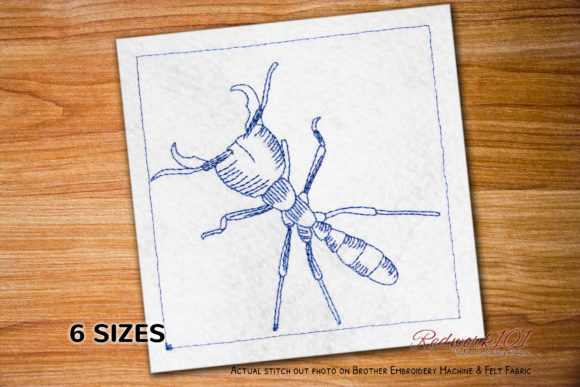
This machine embroidery design features an ant rendered with clean lines and a natural silhouette. The optional Box Stitch adds a border that frames the design neatly, but I personally prefer it without the box for a more organic look. The description notes that the color of the outer box may differ from the main design, and that you can skip the box entirely if it does not suit your product. That flexibility is a real advantage for a small shop product. You can adapt the same embroidery file to multiple items without feeling locked into one layout.
First Impression: Quiet Confidence
The Aafari Ant Machine gives off a grounded, slightly rustic vibe. It is not trying to be a mascot. It is not overly stylized. The ant reads as a real insect, which makes it suitable for nature-themed products, farmhouse decor, kitchen linens, and even educational children's items. I would describe the mood as earthy and thoughtful. It does not scream for attention, but it holds its own on a tote bag or apron because the silhouette is clear and recognizable. Customers who appreciate nature, gardening, or simple line art will stop to look.
For a craft fair product, this design works well because it appeals to a specific but reliable buyer. It is not a trend piece that will feel dated next season. It has the kind of understated personality that makes a handmade product feel intentional.
Best Product Applications for the Aafari Ant Machine
I tested this machine embroidery design on several blank substrates to see where it performs best. Here is what I found:
- Tote bags – The Aafari Ant Machine looks excellent on canvas tote bags. I used a medium brown thread on a natural cotton bag, and the ant read clearly from across a booth table. It works as a small accent near the top hem or as a larger focal design centered on the bag. For a tote bag design, I recommend keeping the optional Box Stitch off to let the ant breathe.
- Aprons – On a apron embroidery project, this design sits well on the chest pocket or centered on the bib. The ant shape is compact enough to fit without overwhelming the garment. I stitched it on a linen apron with a dark green thread, and it looked like a subtle brand mark.
- Tea towels – Tea towel embroidery is a staple at craft fairs, and this design is a natural fit. The ant works as a single motif or repeated in a row for a pattern effect. I stitched it on a white flour sack towel with black thread, and it felt clean and modern. Customers who like farmhouse style or insect-themed kitchen decor responded well.
- Embroidered patches – This design converts easily into an embroidered patch. I stitched it on felt with a satin border, and the ant held its shape nicely. Patches are a low-cost, high-margin item for a booth display, and the Aafari Ant Machine gives you a unique subject that is not overdone.
- Caps – I tested this on a structured cap, and the ant worked best on the front center panel. Keep the design size modest to avoid distortion on the curved surface. The optional Box Stitch may not translate well on a cap curve, so I suggest skipping it for hat embroidery.
- Small pouches and pillow covers – On a small fabric pouch, the ant becomes a charming accent. On a pillow cover, it works as a single center motif or as part of a larger arrangement. I stitched it on a natural linen pillow cover with a warm brown thread, and it looked like a piece of nature-inspired wall art.
- Market bags and handmade gifts – This design is ideal for reusable market bags. The ant theme aligns with eco-conscious buyers. It also works well for giftable handmade items like hand towels, napkins, or fabric gift wrap.
What Sells at a Craft Fair: The Aafari Ant Machine Advantage
In my experience, the embroidery designs that sell best at weekend markets are those that communicate instantly. A customer walking past a booth makes a decision in about three seconds. The Aafari Ant Machine passes that test because the silhouette is immediately readable. You do not need to squint or ask what it is. That clarity is a huge advantage for a handmade product.
This design also photographs well for online listings. I created a printable mockup with the ant on a tote bag, and the image looked clean and professional. For Etsy sellers and digital sellers, a sharp design asset like this one makes listing creation faster. The ant shape is simple enough that it does not get lost in thumbnail images, but detailed enough to look premium in person.
Another selling point is batch production efficiency. Because the Aafari Ant Machine uses a moderate stitch density and a limited number of thread colors, you can stitch multiple units in a sitting without constant thread changes or tension adjustments. That matters when you are producing for a craft fair and need ten tote bags ready by Friday. The design is repeatable, and the quality stays consistent across runs.
Practical Production Notes
Before you start stitching the Aafari Ant Machine for your booth, here are some real-world considerations I discovered during my testing:
Stitch Density and Fabric Texture
The design has a moderate stitch density. It is not overly dense, which means it works well on medium-weight fabrics like cotton canvas, linen, twill, and denim. On textured fabrics like thick tea towels or waffle weave kitchen towels, I recommend using a cutaway stabilizer to keep the stitches from sinking into the weave. I tested it on a heavy cotton towel, and the ant remained crisp with a medium-weight cutaway stabilizer behind it.
Small Details and Tiny Size
The Aafari Ant Machine has some fine detail in the legs and antennae. If you scale the design down too small, those details may lose clarity. I advise keeping the design at a size where the ant body is at least 1.5 inches long. Below that, the legs may blur together. Test the embroidery file on scrap fabric at your intended size before committing to a batch. That is a standard step I follow for every new machine embroidery design, and it saves a lot of frustration.
Thread Contrast and Fabric Color
Because the ant is a dark natural subject, it reads best on light or medium fabric colors. I tested it on white, cream, light gray, and natural linen, and the contrast was excellent. On dark fabric, you will need a light thread color to make the ant visible, but the natural look shifts significantly. For a dark fabric product, consider using a metallic or bright thread if you want the ant to pop. I personally prefer this design on light backgrounds for a more organic feel.
The Optional Box Stitch
The description mentions that the Box Stitch is optional and that the outer box color may differ from the main design. I tested both versions. Without the box, the ant feels more organic and versatile. With the box, it becomes a framed graphic that works well on patches or as a standalone motif on a bag or pillow. If you are stitching multiple products for a cohesive booth display, decide upfront whether you will use the box or not, and stick with that choice for consistency. Mixing box and no-box products in the same booth can feel disjointed unless you intentionally market them as separate lines.
Hoop Size and Stabilizer
I do not have the exact hoop size requirement for this design, so I recommend checking your embroidery file before cutting fabric. The Aafari Ant Machine fits comfortably in a standard 4x4 or 5x7 hoop depending on your scaling. Use a tearaway stabilizer for stable fabrics like canvas or denim, and a cutaway stabilizer for stretchy or textured fabrics. Always test the combination on a sample piece first.
How the Aafari Ant Machine Affects Visual Appeal and Buyer Engagement
When I displayed the Aafari Ant Machine products at a mock booth setup, I noticed a few things. Customers who stopped were not looking for a quick novelty item. They were drawn to the calm, natural feel of the design. It attracted buyers who appreciate gardening, nature walks, or simple line art. One person said it reminded them of the ants in their backyard, which was exactly the kind of connection that leads to a sale.
The design also works well as a conversation starter. Because it is not a common subject for embroidery, customers ask about it. That gives you a moment to explain the quality of your machine embroidery, the materials you use, and the story behind your product. In a craft fair setting, that engagement is gold. It turns a casual looker into a buyer.
From a brand consistency standpoint, the Aafari Ant Machine is flexible enough to fit into a nature-themed product line, a farmhouse collection, or even a children's educational series. If you are a boutique maker or a small shop owner looking to expand your design assets, this machine embroidery design adds a distinct voice to your catalog.
Final Practical Advice for Selling the Aafari Ant Machine
If you plan to add this design to your craft fair product lineup, here is a checklist I recommend:
- Test the embroidery file on scrap fabric at your intended hoop size. Confirm that the legs and antennae stitch cleanly.
- Check thread contrast against your fabric color. Light fabrics work best for this design.
- Review the spacing around the ant. If you use the optional Box Stitch, make sure the border does not crowd the edges of your product.
- Confirm your hoop size before cutting blanks. The design may require a specific hoop to fit without distortion.
- Inspect stitch density on your machine. If the design runs too dense, reduce the density in your software or use a lighter stabilizer.
- Use the right stabilizer for your fabric. Cutaway for textured fabrics, tearaway for stable fabrics.
- Create at least one real mockup for your booth display and for online listings. A photo of the actual stitched product sells better than a digital preview.
- Compare fabric colors across your product line. A consistent color palette helps your booth look cohesive.
- Confirm commercial licensing before selling finished products. This step is essential for any embroidery file you use in a business. The Aafari Ant Machine is a design asset, but you must verify that your license covers selling the finished items.
Why the Aafari Ant Machine Belongs in Your Booth
This machine embroidery design is not a flashy trend piece. It is a solid, versatile, and quietly charming subject that performs well across multiple product types. It works on tote bags, aprons, tea towels, patches, caps, pouches, and pillow covers. It photographs well for Etsy listings, it stitches efficiently for batch production, and it resonates with a specific audience that values nature and simplicity.
For an embroidery business owner or a creative entrepreneur preparing for a weekend craft fair, the Aafari Ant Machine offers a reliable return on your production time. It is a design that looks good in person, holds up in photos, and gives customers a reason to stop and ask. That is exactly what you want in a handmade product.
If you are looking for a distinctive Bugs category embroidery design that feels more grounded than cutesy, this one is worth your attention. Test it, sample it, and let the ant do the work on your booth table.