Shimeji Mushroom: A Craft Fair Embroidery Design Review
When I first opened the Shimeji Mushroom machine embroidery design, I immediately recognized its potential for the handmade market. As someone who has spent years filling weekend craft fair booths with embroidered goods, I know that food-themed embroidery designs have a loyal following, and this one delivers a charming, rustic, and undeniably cute look. The Shimeji Mushroom design feels like a natural fit for farmhouse decor, kitchen textiles, and giftable handmade products. It is not overly fussy or elegant; instead, it lands squarely in the wholesome and approachable category, which is exactly what draws customers to a booth at a local market.
First Impressions: Why Shimeji Mushroom Stands Out at a Craft Fair
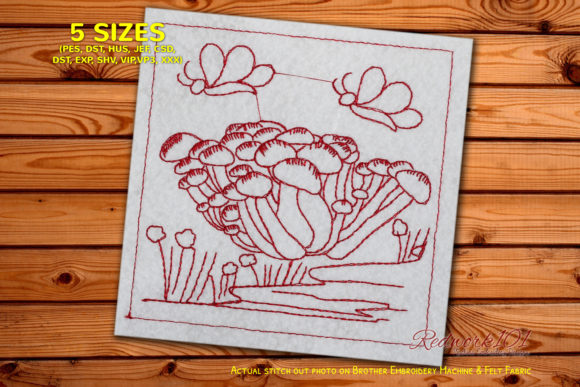
The Shimeji Mushroom design reads as a cluster of delicate, earthy mushrooms, often with a soft, sketch-like quality that translates well onto fabric. It has a minimal but decorative mood that appeals to shoppers looking for something organic and stylish. The optional Box Stitch mentioned in the product description is a clever detail; you can choose to include a border or let the mushroom cluster float freely. That flexibility is a huge advantage for a small shop product because you can adapt the same embroidery file to different product types without feeling repetitive.
When a customer walks past a booth, their eye is drawn to designs that are easy to understand at a glance. The Shimeji Mushroom achieves this. It is not a complex, dense piece of art that requires close inspection. Instead, it offers immediate recognition, and that is a critical selling point for craft fair product success. I have watched shoppers pause at a tote bag or tea towel simply because the design felt familiar and comforting. Mushrooms, especially shimeji varieties, carry that cozy, woodland appeal that works beautifully for handmade product aesthetics.
Tote Bags and Market Bags
For a tote bag design, the Shimeji Mushroom is a natural winner. It works as a centered focal piece or as a smaller accent near the top corner. Because the design is not overly tall, it leaves room for the bag's handles and structure. I would recommend stitching it on a medium-weight cotton or linen tote, using a medium hoop size that allows the mushroom cluster to sit comfortably without crowding the edges. The earthy tones of the mushrooms pair well with natural, undyed fabrics, and the design photographs beautifully for Etsy listings.
Apron and Tea Towel Embroidery
In my experience, kitchen textiles are among the fastest-selling items at a handmade market. The apron embroidery and tea towel embroidery categories benefit greatly from food-themed designs like Shimeji Mushroom. It adds a touch of handcrafted charm without overwhelming the fabric. I suggest placing the design on the lower front of an apron or in the center of a tea towel, where it becomes a subtle conversation starter. The optional Box Stitch can help frame the design on a towel, giving it a more finished, premium look.
Embroidered Patches and Fabric Pouches
If you sell embroidered patch products, the Shimeji Mushroom is an excellent candidate. Because the design is compact and the stitch density is manageable, it translates well to patch form. You can produce a batch of patches and offer them as standalone items or sew them onto pouches, caps, or even pillow covers. For a small pouch, the design functions as a delicate accent that elevates the entire piece. Customers appreciate the versatility of a design that can be applied to multiple products in a booth.
Caps and Pillow Covers
For a curved surface like a cap, the Shimeji Mushroom works best when the design is kept to a reasonable size. Dense stitch areas may cause puckering on thick fabric, so I recommend testing the embroidery file on a scrap cap first. Pillow covers, on the other hand, offer a flat, stable surface that allows the design to shine. A cluster of shimeji mushrooms on a neutral-toned pillow cover creates a soft, rustic look that appeals to home decor shoppers.
Practical Selling Points for Your Booth
The Shimeji Mushroom design has several qualities that make it a strong craft fair product:
- Visual appeal at a distance: The mushroom silhouette is bold enough to catch attention from across a booth, yet delicate enough to invite closer inspection.
- Photography for online listings: The design photographs well because it has clear outlines and natural contrast. Whether you are creating a printable mockup or photographing a finished product, the Shimeji Mushroom remains legible and attractive.
- Batch production friendliness: Because the design is not overly complex, you can stitch multiple units in a single session without worrying about thread breaks or density issues. This is crucial for a small shop product where efficiency matters.
- Giftable handmade items: Mushroom-themed products are popular as gifts for home cooks, nature lovers, and farmhouse decor enthusiasts. The Shimeji Mushroom design fits neatly into that niche.
As a digital embroidery file, the Shimeji Mushroom gives you the freedom to create a consistent product line. You can stitch it on a tote bag, an apron, a tea towel, and a patch, and the cohesive look strengthens your brand identity. Customers who buy one item are more likely to return for another if they recognize the design style.
Careful Use Notes: What Every Embroidery Business Owner Should Know
Before you start production, there are a few technical considerations I want to highlight. The Shimeji Mushroom design may include dense stitch areas in the mushroom caps or stems, depending on the specific digitization. If you plan to stitch on thick fabric or textured towels, test the design on a scrap piece first. High-density areas can cause fabric puckering or thread breakage if the stabilizer is not adequate.
Pay attention to tiny details in the design. If the mushrooms have small highlights or fine lines, those details may lose clarity at smaller sizes. For a cap or a small pouch, consider scaling the design up slightly to preserve the detail. Conversely, if you are stitching on a large tote bag, a small version of the design may look lost. Test different sizes to find the sweet spot for each product.
The color of the outer Box is mentioned in the product description as being optional and often a different color than the main design. This is a thoughtful feature, but it also means you need to plan your thread colors carefully. If you choose to include the Box Stitch, make sure the box color complements the mushroom tones without clashing. For most of my projects, I prefer to skip the box and let the mushrooms stand alone, especially on kitchen textiles where a clean, minimalist look sells better.
When working with dark fabric, the Shimeji Mushroom design may require a lighter thread color or a subtle underlay to maintain contrast. I always recommend stitching a test sample on a fabric swatch that matches your final product. This is a step that many Etsy sellers skip, but it can save you from producing a batch of items that do not meet your quality standards.
Practical Embroidery Designer Notes
As someone who reviews dozens of machine embroidery designs each season, I have developed a checklist that I apply to every new file. For the Shimeji Mushroom, here are my recommendations:
- Test on scrap fabric before production. Use the same fabric type and stabilizer you plan to use for your final products. This is the only way to confirm that the stitch density and thread colors work as expected.
- Check thread contrast. The mushrooms should stand out clearly against the fabric. If the design uses subtle earth tones, test them against your chosen fabric colors to ensure readability.
- Review spacing and hoop size. Confirm that the design fits comfortably within your available hoop size and that there is enough margin around the edges for hooping and trimming.
- Inspect stitch density. If the design has dense areas, plan to use a high-quality stabilizer to prevent distortion. A tear-away stabilizer may work for stable fabrics, but a cut-away stabilizer is safer for stretchy or textured material.
- Create at least one real mockup before listing the product online. A printable mockup is useful for Etsy listings, but a physical sample gives you and your customers confidence in the finished product.
- Compare fabric colors. The Shimeji Mushroom design works best on neutral or earthy tones. Avoid very bright or busy fabrics that compete with the subtle details of the mushrooms.
- Confirm commercial licensing. Before selling finished products, verify that your commercial embroidery license allows you to use the design for items you sell at craft fairs or online. This is a step that protects your business and your creative work.
Final Thoughts on Shimeji Mushroom for Your Handmade Product Line
The Shimeji Mushroom design is a versatile, market-friendly addition to any embroidery business. It offers the kind of handmade quality that customers notice and appreciate, and it adapts well to a wide range of products. Whether you are preparing for a weekend craft fair, updating your Etsy shop, or building a cohesive product line for a boutique, this design delivers on both visual appeal and production practicality.
I have found that the best-selling designs are those that feel authentic and easy to understand, and the Shimeji Mushroom fits that description perfectly. It is not a trend piece that will feel dated next season. Instead, it has a timeless, earthy quality that resonates with shoppers looking for something genuine and handcrafted. Add it to your design assets, test it on a few different products, and watch how it performs in your booth. I think you will be pleased with the results.