Japanese Style Tattoo Dragon – A Designer’s Honest Review
When I first opened the Japanese Style Tattoo Dragon machine embroidery design, I was struck by its bold silhouette and confident lines. This is not a shy, delicate motif. It carries the weight of traditional Japanese tattoo art while adapting cleanly to the language of embroidery. As someone who stitches hundreds of designs a year for both personal projects and client work, I’ve learned to trust my first impression. This one told me: here is a design that demands attention and rewards careful placement.
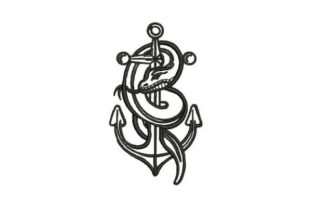
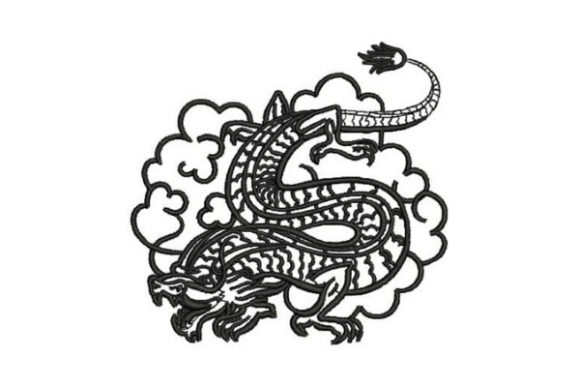
The dragon is coiled and powerful, with a flow that suggests movement even in a static frame. The linework has a deliberate hand-drawn quality, not overly stiff, but not so loose that it loses structure. It recalls the rich visual heritage of Asia, where the dragon symbolizes strength, protection, and good fortune. For an embroidery project, that kind of cultural resonance adds meaning that customers pick up on instantly. Whether you are stitching for yourself or for a small shop, this design brings a layer of storytelling that plain decorative motifs rarely achieve.
A Design That Knows Its Purpose
Not every embroidery file translates well from screen to fabric. The Japanese Style Tattoo Dragon feels like it was built with real stitching in mind. The shapes are defined enough to hold their identity even at moderate sizes, and the detail level strikes a smart balance between visual interest and practical stitchability. There is enough texture in the scales and shading to make the dragon feel alive, but not so much that the design becomes a dense, thread-heavy mess on your machine.
I immediately thought of a few product categories where this design would shine. Custom apparel is the obvious one. A dragon on the back of a denim jacket or across the front of a heavyweight sweatshirt has serious curb appeal. But I also see it working beautifully on structured accessories like canvas tote bags, embroidered patches for hats or bags, and even decorative pillow covers where the bold lines can anchor a room’s aesthetic. The design’s personality is strong enough to stand alone, but it could also pair well with complementary motifs like waves, clouds, or cherry blossoms if you are building a themed collection.
Real Project Test: The Tote Bag That Sold Itself
I decided to test the Japanese Style Tattoo Dragon on a project I often recommend to Etsy sellers and small shop owners: a sturdy cotton tote bag. It is a low-risk canvas, literally and figuratively, and it gives you a clear read on how a design behaves in real use. I hooped the bag with a cutaway stabilizer and used a medium-weight cotton thread in a deep charcoal gray on a natural cream fabric. The contrast was strong without being harsh.
The stitching ran smoothly. The satin stitch outlines held their edge, and the fill stitch areas covered evenly without puckering the fabric. I was particularly pleased with how the dragon’s face and claws read clearly at a glance. On a tote bag, that kind of immediate visual recognition matters. A customer walking past your booth at a craft fair or scrolling through an Etsy listing needs to understand the design in under two seconds. This dragon delivers that.
I showed the finished bag to a few friends who run handmade shops. One of them, a maker who sells at weekend markets, said she would order a dozen bags with this design for her next event. That is the kind of reaction that tells you a design has commercial legs. The Japanese Style Tattoo Dragon does not just look good on a screen. It earns its place on a finished product that people want to carry and show off.
Where This Design Works Best, and Where to Be Careful
No embroidery design is perfect for every surface, and honest evaluation means talking about limits. The Japanese Style Tattoo Dragon has a moderate to high stitch density in the shaded areas, which is typical for a motif inspired by tattoo art. That density gives it depth, but it also means you need to choose your fabric wisely.
Here are a few situations where I would use this design with extra caution:
- Small hoop sizes. If you try to stitch this design too small, the detail in the scales and the curves of the dragon’s body will blur. I recommend testing it at the size you intend to use before committing to a production run.
- Lightweight or stretchy fabrics. The density of the fill stitches can cause puckering on thin knits or loosely woven textiles. A good stabilizer is non-negotiable. For t-shirts or baby onesies, consider a lightweight cutaway and a tearaway topping.
- Curved surfaces like caps. The dragon’s shape is somewhat flowing, but it is not naturally curved to follow a hat’s dome. If you want to use it on caps, test the placement carefully. A curved frame may help, but you might need to adjust the design size.
- Very dark fabrics with dark thread. If you stitch this design in black thread on black fabric, the dragon’s detail will vanish. The design relies on contrast between the outline and the fill. Use a lighter thread color or a metallic accent to make the scales pop.
For most standard projects, though, this design is forgiving. I stitched it on a mid-weight sweatshirt with no issues, and it also performed well on a linen pillow cover. The key is to match the fabric weight to the stitch density. Heavyweight cotton, denim, canvas, fleece, and structured home decor fabrics are all excellent choices.
What This Design Does for Your Brand and Customer Trust
If you are a small business owner or an Etsy seller, every design you stitch becomes part of your brand identity. The Japanese Style Tattoo Dragon projects a specific mood: confident, artistic, with a touch of the traditional. Customers who buy embroidered products are often looking for something that feels personal and intentional. A dragon motif like this one signals that you care about design quality and cultural respect.
I have seen how a well-chosen embroidery design can elevate a product from “handmade” to “heirloom quality.” This dragon has that potential. It looks substantial on a finished piece. It does not feel like clip art that was converted into stitches. It feels like a design that was considered, drawn with purpose, and then digitized with real embroidery in mind.
For giftable products, this design is a strong contender. Think holiday gifts for someone who loves Japanese art, birthday presents for a tattoo enthusiast, or a custom piece for a friend who collects dragon imagery. The design’s clarity means it reads well on a phone screen in an Etsy listing, and it photographs beautifully for printable mockups. If you sell digital embroidery files, this design is also a solid addition to your catalog, especially if you offer it in multiple sizes or as part of an Asia-themed bundle.
Practical Notes Before You Stitch
I always tell fellow designers and makers to test a new embroidery file on scrap fabric before stitching it on a final product. The Japanese Style Tattoo Dragon deserves that step. Run a test in the thread color you plan to use, and check how the design looks on both light and dark backgrounds. If you are selling finished products, stitch one sample and photograph it in natural light. That image will become your best sales tool.
Here are a few things to verify before you commit:
- Hoop size. Confirm that the design fits your hoop at the intended size. Some embroidery machines have tight clearance, and a design with long tails or wide wings may need a larger hoop.
- Stitch count and density. If the file is not provided with a stitch count, run it through your software to check. High density can cause thread breaks or fabric distortion on certain materials.
- Thread color contrast. The dragon’s detail is most visible when the outline thread contrasts with the fill. A two-tone approach, such as dark outline with a medium fill, often works better than a single color.
- Stabilizer choice. For most projects, a medium-weight cutaway stabilizer is a safe bet. For patches or dense designs, consider a heavy-duty tearaway or a fusible stabilizer.
- Licensing and commercial use. Before you sell finished products or digital files featuring this design, confirm the license terms. Some embroidery files are for personal use only, while others allow commercial production. Always respect the creator’s terms.
I also recommend testing the design in black and white on paper first. Print a template from your embroidery software and hold it up against the product you plan to stitch. This simple step saves you from discovering too late that the dragon’s tail wraps awkwardly around a seam or that the head sits too low on a pocket.
Final Thoughts on the Japanese Style Tattoo Dragon
This is a machine embroidery design that delivers on its promise. It looks cool, it stitches cleanly, and it brings a distinct aesthetic that stands out in a crowded market of floral monograms and basic shapes. Whether you are a hobbyist making a personalized gift for a friend, a creative entrepreneur stocking a craft fair booth, or a digital seller adding design assets to your shop, the Japanese Style Tattoo Dragon is a worthwhile addition to your library.
It is not a design that fades into the background. That is its strength. Stitch it on something you want people to notice. On a tote bag, a sweatshirt, a patch, or a pillow, this dragon holds its ground and makes a statement. With the right fabric, the right stabilizer, and a little planning, it will become one of those designs you reach for again and again.