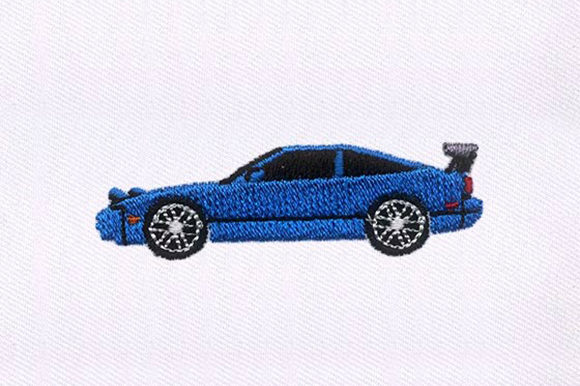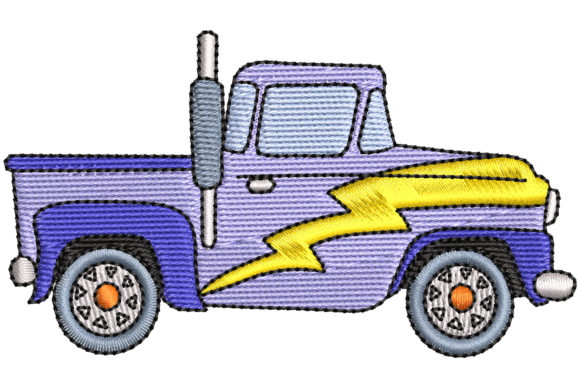
Old Pick Up Embroidery Design Review
When I first opened the Old Pick Up embroidery file, I immediately recognized its potential for small business merchandise. As someone who has spent years reviewing machine embroidery designs for branded patches, custom apparel, and commercial embroidery projects, I look for designs that balance visual impact with production practicality. Old Pick Up delivers a classic, approachable look that feels both rustic and professional. It carries a friendly, handmade quality that suits small business merch for cafés, boutiques, bakeries, florists, creative studios, and local pet brands. The design does not feel overly decorative or fussy. Instead, it brings a solid, grounded presence that can anchor a brand identity without overwhelming other elements. For any embroidery shop or product designer evaluating this file for client work, the first impression is promising.
First Impression: A Classic, Rustic Feel with Business Appeal
The Old Pick Up design evokes a sense of nostalgia and reliability. It feels like a logo that belongs on a well-loved work shirt, a canvas tote bag, or a cap worn by someone who takes pride in their craft. The aesthetic is not sleek or modern in a minimal sense. Instead, it leans into a warm, rugged, approachable personality. For a small business, this design can communicate authenticity, tradition, and a down-to-earth work ethic. That kind of visual personality is valuable for boutiques selling handmade products, bakeries offering artisanal goods, or creative studios that want their brand to feel personal and trustworthy. The design does not shout for attention. It earns it through a steady, familiar silhouette that customers will recognize and remember.
Because Old Pick Up falls under the Sports category, it carries an active, dependable energy. That does not mean it only belongs on athletic wear. In commercial embroidery, the Sports label often points to designs that work well on caps, jerseys, and outerwear. For a small business, that translates into versatile merchandise options: staff uniforms, event apparel, customer gifts, and product packaging accents. The design feels equally at home on a cap embroidery project as it does on an apron or a tote bag. That flexibility is a major advantage for any embroidery designer or Etsy seller looking to create a cohesive product line.
Real Business Use: Patches, Apparel, and Branded Merchandise
In my experience testing designs for real business use, Old Pick Up performs well across several formats. As an embroidered patch, it holds its shape and reads clearly at a moderate size. For staff uniforms, a chest logo or sleeve detail using this design adds a professional yet approachable touch. I can see it working beautifully on a baker’s apron, a florist’s work shirt, or a barista’s cap. The design does not rely on tiny details that disappear in production. Its silhouette is strong enough to stitch cleanly on textured fabrics like twill, denim, or canvas.
For tote bag design, Old Pick Up provides a central focal point that customers will notice. It works as a standalone mark or paired with a business name underneath. In digital embroidery file form, it is easy to position and scale for different product surfaces. I would recommend testing it on a mockup before committing to large runs. A printable mockup helps clients visualize how the design sits on a cap front, a tote bag panel, or a shirt pocket. That step is essential for any small business merch creator who wants to avoid costly adjustments after production.
For handmade brands and Etsy sellers, Old Pick Up offers a reliable design asset that can appear on multiple product types. It can be stitched on product labels, used as a branding element on packaging, or featured as a limited-edition patch. The design’s friendly, classic look appeals to customers who appreciate handmade, vintage-inspired aesthetics. It does not feel corporate or generic. That matters for small businesses that rely on personal connection and visual consistency to build customer trust.
Where to Use Old Pick Up Carefully
No machine embroidery design is perfect for every application, and Old Pick Up has areas where caution is wise. The design works best at a moderate to large size. If you scale it down too small for a cap front or a tiny patch, some details may become dense or lose definition. High stitch density in a small area can cause puckering on lightweight fabrics. For cap embroidery, test the design at the actual production size to ensure the thread colors and spacing hold up. Curved surfaces like cap fronts or sleeve cuffs require careful hooping and stabilizer selection to prevent distortion.
Textured fabrics, such as thick fleece, heavy knits, or napped materials, can also challenge the design. If the stitch count is high, the fabric may not support the embroidery without proper backing. Dark uniforms pose another consideration. If Old Pick Up relies on light thread colors, contrast against a dark background must be checked before production. I always recommend stitching a test sample on the actual fabric before committing to a large order. That simple step saves time, thread, and frustration.
Items that need frequent washing, such as aprons, work shirts, and tote bags, require stable stitch construction. Old Pick Up appears to have a solid outline and fill structure, but I would still inspect the file for any loose details or long jumps that could catch or fray over time. Proper stabilizer selection and careful finishing will extend the life of the embroidery on high-use merchandise.
Brand Identity, Trust, and Visual Consistency
For a small business, every design asset contributes to brand identity. Old Pick Up reinforces a brand that values reliability, craftsmanship, and a classic aesthetic. It does not feel trendy or disposable. That is a significant advantage for businesses that want their merchandise to remain relevant for years. Customers who buy a branded patch or a custom embroidered cap want to feel connected to the business. A design that looks thoughtful and well-executed builds trust and encourages repeat purchases.
Using Old Pick Up consistently across different product types strengthens recognition. When a customer sees the same design on a staff apron, a tote bag, and a product label, they associate that image with quality and care. That is the foundation of strong brand identity. For commercial embroidery projects, offering a design that unifies a product line adds value for the client. It turns a simple embroidery file into a strategic business tool.
Product value also increases when embroidery looks intentional and polished. A finished product featuring Old Pick Up feels more premium than a printed alternative. The tactile quality of embroidered thread, combined with a well-chosen design, signals that the business invests in its presentation. That perception is critical for handmade products, boutique merchandise, and customer gifts where the packaging and branding are part of the experience.
Practical Embroidery Designer Notes
Before you use Old Pick Up for any commercial embroidery project, I recommend a few practical steps. First, test the design in black and white thread to evaluate contrast and readability. This is especially important if you plan to use it on both light and dark fabrics. Second, check the design at a small patch size to confirm that details remain crisp and stitch density does not become problematic. If the design includes fine outlines or tight curves, those areas may need adjustment for smaller hoops.
Third, review the thread colors provided in the embroidery file. Ensure they align with the client’s brand palette. If not, recoloring is straightforward with most digitizing software. Fourth, inspect the spacing around the design. Adequate clearance ensures that hooping and positioning are easy, especially on caps or sleeves. Fifth, confirm the hoop size required for the design. If you are working with a small hoop, you may need to adjust the layout or rotate the design to fit.
Sixth, test on real fabric from the production run. Fabric texture, weight, and stretch all affect how the embroidery sits. Use the proper stabilizer for the fabric type. A tear-away stabilizer may work for stable woven fabrics, while a cut-away stabilizer is better for knits or stretchy materials. Seventh, create a mockup for client approval. A printable mockup showing the design on a cap, shirt, or tote bag helps the client visualize the finished product and reduces the chance of revisions later.
Eighth, compare Old Pick Up beside other design assets the client already uses. The style should complement existing logos, fonts, and artwork. If the design feels disconnected from the brand identity, consider whether it can be customized or if a different file would serve better. Ninth, confirm commercial licensing terms before using the design for business merchandise. If the file came from a digital embroidery file marketplace, review the license to ensure it covers commercial use, finished products for sale, and any quantity limits.
Finally, keep detailed notes on stitch count, thread colors, hoop size, and stabilizer choice for each project. This record helps you replicate successful results and troubleshoot issues if they arise. Old Pick Up is a design that rewards careful preparation. When you take the time to test, adjust, and confirm, the finished product will meet both your standards and your client’s expectations.
Final Thoughts on Old Pick Up for Small Business Merch
Old Pick Up is a strong candidate for any small business looking to create embroidered merchandise that feels authentic, reliable, and visually appealing. It works across multiple product types, from patches and caps to aprons and tote bags. Its classic, rustic personality fits well with handmade brands, local shops, and creative studios. As with any machine embroidery design, the key to success lies in testing, preparation, and clear communication with the client. If you are an embroidery shop owner, an Etsy seller, or a product designer evaluating this file for commercial use, I recommend giving Old Pick Up a thorough review before production. With the right approach, it can become a valuable asset in your client’s brand identity and a consistent seller in your own product lineup.