Playful Quilting: A Designer’s Review for Craft Fair Success
As an embroidery designer who has prepped countless booths for weekend craft fairs, I know the difference between a design that stops shoppers mid-stride and one that blends into the crowd. When I first opened Playful Quilting (SKU E-21616), I immediately recognized its potential for handmade markets. This machine embroidery design carries a mood that is both whimsical and nostalgic, with a soft farmhouse charm that feels right at home on bedding, home decor, and giftable accessories. The title alone suggests movement and joy, and the design lives up to that promise. It is not overly serious or formal, but rather inviting, warm, and approachable—exactly the kind of aesthetic that sells well at artisan markets and on Etsy. In this review, I will walk through how Playful Quilting performs on real products, what to watch for during production, and how to position it for maximum sales in your own small shop.
First Impressions: A Design That Feels Like Home
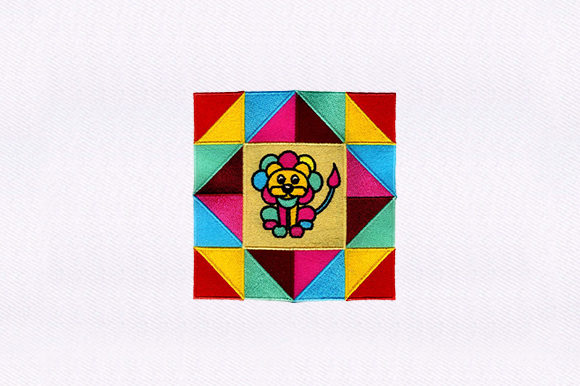
The first thing I noticed about Playful Quilting is its balanced, rhythmic composition. It evokes the feeling of a handmade quilt without being overly literal. The design reads as decorative and slightly rustic, yet it has enough polish to feel premium. It fits naturally into the Bedroom category, but do not let that limit your imagination. This embroidery file has the versatility to migrate onto kitchen linens, tote bags, and even apparel with the right fabric pairing. The 6×6 hoop size is a practical sweet spot: large enough to make a statement on a pillow sham or market tote, yet small enough to stitch onto a tea towel or a child’s dress. For craft fair sellers, this size means you can produce a variety of finished products from a single design, which is smart inventory strategy.
When I test a new machine embroidery design, I always ask: Will a customer understand this in three seconds? Playful Quilting passes that test. Its visual language is friendly and familiar, which lowers the barrier for impulse buys at a booth. Shoppers do not need to study it; they feel it. That emotional connection is what drives sales at handmade markets.
Where Playful Quilting Shines at the Craft Fair Booth
I recommend testing Playful Quilting on several product blanks before committing to a full production run. Based on my experience, here is where this design performs best:
- Pillow covers and sham fronts — The Bedroom connection is natural here. A 14×14 or 16×16 pillow cover with Playful Quilting centered on the front becomes a booth anchor piece. Customers will pick it up, touch the stitching, and imagine it on their own bed. Use a medium-weight linen or cotton blend for the best stitch registration.
- Tote bags and market bags — This is a high-volume craft fair product. A sturdy canvas tote with Playful Quilting near the top or centered on the panel feels both artisanal and practical. Shoppers at farmer’s markets and craft fairs love a bag that looks handmade. The design’s playful rhythm catches the eye from across the table.
- Tea towels and kitchen linens — Embroidered tea towels are a reliable seller. Playful Quilting works well as a lower-corner accent or a centered focal motif. The design’s stitch density is forgiving enough for lightweight linen, provided you use a tear-away stabilizer and a sharp needle.
- Aprons — A bib apron or half-apron with Playful Quilting on the front pocket or chest area feels thoughtful and giftable. This is a strong product for holiday markets and bridal showers.
- Embroidered patches — If you offer embroidered patch products, this design can be stitched on twill and cut into patches for customizing jackets, denim shirts, or bags. Patches are low-cost, high-margin items that move quickly at booths.
- Small pouches and zip bags — A cosmetic pouch or glasses case with Playful Quilting makes an affordable gift item. Customers who are not ready to buy a large pillow will often pick up a small pouch as an impulse purchase.
For caps, I would use caution. The design’s horizontal rhythm may not distort badly on a curved brim, but you should always test on a scrap cap before committing. If the design has dense stitch areas, the curve could cause fabric puckering. I recommend using a sticky stabilizer and a cap frame for any hat embroidery.
Practical Production Notes for Batch Crafting
When you are preparing for a craft fair, production speed and consistency matter. Playful Quilting is friendly to batch work, but there are a few details to check before you stitch fifty units.
- Hoop size considerations — The design fits a 6×6 hoop, which is standard for most home embroidery machines. If you are using a larger hoop, you can center the design with room to spare. Always confirm the exact dimensions of the design in your software before hooping. The listed hoop size tells you the maximum, but the actual stitch area may be slightly smaller.
- Stitch density and thread colors — You should review the stitch count and color changes in your embroidery software before starting. If the design has dense stitch areas, they will affect fabric choice. Lighter-weight fabrics may need a cut-away stabilizer to prevent fabric texture from showing through. For thick fabric like canvas or denim, a medium-weight tear-away usually suffices.
- Thread contrast — Playful Quilting reads best when the thread colors contrast clearly with the fabric. On dark fabric, use a bright or light thread palette. On light fabric, consider a slightly darker or saturated palette. Test on scrap fabric with your chosen thread colors to confirm readability.
- Small lettering or tiny details — If the design includes any small lettering or fine elements, be aware that they may lose clarity at smaller sizes. The 6×6 hoop gives you a good size, but if you decide to scale the design down, review the stitch paths to ensure details remain crisp.
- Stabilizer choice — For tea towel embroidery on textured linen, a water-soluble stabilizer on top can prevent the stitches from sinking into the weave. For pillow covers and tote bag designs, a cut-away stabilizer provides lasting structure.
Before you start batch production, I strongly recommend creating at least one real mockup. Photograph it in natural light, post it to your social media, and see how followers respond. A printable mockup is useful for Etsy listings, but nothing replaces a physical sample for checking stitch quality and fabric drape.
Photographing and Listing Playful Quilting for Etsy
As an Etsy seller, you know that photos drive sales. Playful Quilting photographs well because of its rhythmic, repeating motifs. The design has a natural visual appeal that reads clearly in both flat lays and lifestyle shots. For your Etsy listings, include a close-up of the stitching to show the handmade quality and thread texture. Shoppers want to see that the embroidery is clean and well-secured.
For craft fair products, display a finished sample on your booth table. Let customers touch the stitching. The tactile quality of machine embroidery is a selling point that digital images cannot fully convey. I recommend making one booth sample for each product type you plan to sell. A pillow cover, a tote bag, and a tea towel with Playful Quilting create a cohesive display that tells a story.
If you sell digital embroidery files as design assets, consider creating a printable mockup set that shows Playful Quilting on multiple product backgrounds. This helps your customers visualize the design and increases perceived value. Many small shop product creators appreciate ready-made mockups for their own listings.
Careful Stitching: What to Watch For
No design is perfect in every situation. Here are the specific areas where Playful Quilting requires attention:
- Dense stitch areas — If the design has sections with high stitch density, they can cause fabric puckering on lightweight materials. Use a quality stabilizer and slow down your machine speed for those passes. A new needle (size 75/11 or 80/12) will help prevent skipped stitches.
- Textured fabric — On tea towel embroidery with a pronounced weave, the design may lose some sharpness. I recommend a water-soluble topper to keep the stitches on top of the fabric. This is a simple fix that makes a noticeable difference in finished product quality.
- Dark fabric — Playful Quilting has a light, airy feel. On dark fabric, you may need to add a white underlay or choose thread colors that are opaque enough to cover the background. Test on a scrap before stitching the final product.
- Curved surfaces — As mentioned, caps and curved items require extra preparation. The design’s horizontal flow may need adjustment to fit a cap front comfortably. Hoop the design carefully and use a cap frame if available.
- Scaled-down versions — If you plan to stitch Playful Quilting at a smaller size for embroidered patch products or small pouches, check the stitch paths in your software. Fine details that are clear at full size may become muddled at 50% scale.
Final Designer Verdict for Handmade Sellers
Playful Quilting is a strong candidate for your next batch of craft fair products. It is versatile enough to appear on apron embroidery, tote bag designs, tea towel embroidery, and pillow covers, while still feeling cohesive as a product line. The 6×6 hoop size is practical for most home embroiderers, and the design’s visual appeal translates well to both in-person booths and online listings.
Before you start selling, remember to confirm commercial licensing for the digital embroidery file. Not all designs allow commercial embroidery without an extended license. If you are producing finished products for sale, verify that your use is covered. This step protects your small shop product business and your handmade product reputation.
I recommend creating three product samples with Playful Quilting before your next market: a pillow cover, a tote bag, and a tea towel. Display them together on your booth table with a small sign that says “Playful Quilting Collection.” This creates brand consistency and encourages customers to buy multiple items. The design’s friendly, engaging mood will attract attention, and the handmade quality will close the sale.
Whether you are a seasoned craft fair seller or a new Etsy seller building your digital embroidery file shop, Playful Quilting offers a reliable, appealing option that customers will notice and remember. Stitch a test, photograph your samples, and let the design speak for itself at your next market.