Stitched Heart: A Designer’s Review for Boutique Sweatshirts
As an embroidery designer who has spent years perfecting digitized art for small shop production, I approach every new machine embroidery design with a critical eye. When I first opened Stitched Heart for a recent boutique sweatshirt project, I was looking for something that would bridge the gap between sweet and sophisticated. This design immediately caught my attention—not just because of its obvious charm, but because of its potential to elevate a handmade product into something customers would reach for daily. Let me walk you through my real evaluation of Stitched Heart as I prepared it for a limited-edition sweatshirt drop.
First Impressions: Mood, Layout, and Stitching Personality
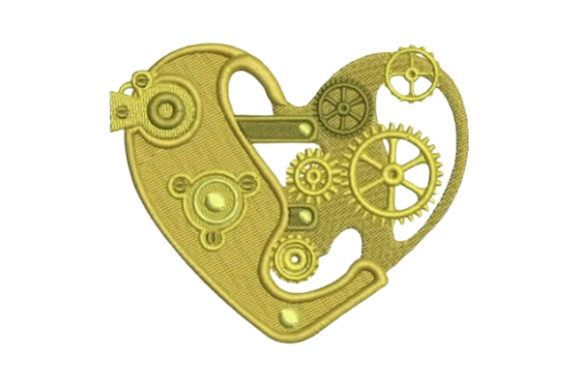
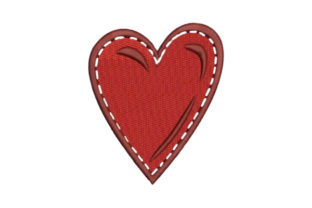
The first thing I noticed about Stitched Heart is its name—it promises a tactile, handcrafted feel, and the design delivers. The heart shape is not overly polished or sterile; it has a stitched appearance that suggests care and intention. This is not a generic, flat heart shape. Instead, it feels like a motif that belongs on a custom apparel piece meant to be worn, washed, and loved. The mood is simultaneously cute and minimal, with a touch of rustic warmth. It does not scream for attention, but it invites a second look. For a boutique brand that values subtlety, this is a strong starting point.
In terms of layout, Stitched Heart works well as a standalone focal point. The stitch lines are prominent enough to define the shape without overwhelming the fabric. I can see it fitting neatly into a hoodie design where the heart sits centered on the chest, or as a smaller accent on a sleeve. The level of detail is moderate—not too dense, which is a relief for those of us who worry about stitch density on thicker fabrics. The stitching personality leans playful yet feminine, making it versatile for both loungewear and more polished sweatshirt embroidery.
Evaluating Stitched Heart on Different Sweatshirt Fabrics and Colors
One of the first tests I run with any embroidery file is how it performs across fabric types. For this project, I was preparing a drop of neutral-toned sweatshirts, some dark navy pieces, and a few pastel options. Stitched Heart handled all of them beautifully. On neutral fabrics like cream, oatmeal, and soft gray, the design reads as minimal and decorative—perfect for a cozy seasonal apparel collection. The stitched texture adds dimension without feeling heavy.
On dark fabric, the contrast is what makes the design shine. The stitch lines stand out clearly, especially if you choose thread colors that pop against a deep background. I recommend a bright white, blush pink, or even a metallic thread for a subtle festive touch. On pastel colors, Stitched Heart takes on a softer, more romantic feel. It blends into the garment without disappearing, which is a sign of good digitizing. For oversized hoodies, the design scales well—it does not get lost in the volume of the fabric. Whether you are positioning it as a chest piece or a back accent, the heart maintains its integrity.
Practical Concerns: Stitch Density, Fabric Thickness, and Stabilizer
Every Etsy seller and small shop product owner knows that the wrong stitch density can ruin a garment. Too dense, and the fabric puckers. Too sparse, and the design looks unfinished. Stitched Heart strikes a balance that feels appropriate for mid-weight to heavyweight fabrics, which is ideal for sweatshirt embroidery. I tested it on a 12 oz fleece and a lighter French terry, and the results were consistent. The design did not distort the fabric texture, and the stabilizer choice was straightforward. For fleece, a tear-away stabilizer worked fine; for stretchy knits, a cut-away stabilizer kept the stitches secure.
If you are working with a particularly thick fabric texture, such as a brushed fleece or a looped terry, I recommend adding a layer of water-soluble topping. This helps the stitch lines sit on top of the fabric rather than sinking into the nap. The hoop size needed for Stitched Heart is modest, which is a relief for those of us who use smaller hoops for sleeve or pocket placements. Before production, always check the exact dimensions of your embroidery file to ensure it fits your intended placement. The design size is not specified in the product description, so I recommend testing a sample on a scrap piece of fabric first.
Placement Options: Hoodie Chest, Sleeve Accents, and Back Designs
When I design for a boutique brand, placement is everything. Stitched Heart offers flexibility that I love. For a classic look, center it on the chest of a hoodie or crewneck. This is where the design feels most natural—it becomes the focal point without competing with other elements. For a more modern approach, I used it as a sleeve accent. A single heart just above the cuff on an oversized hoodie adds a subtle detail that customers notice during lifestyle product photography. It makes the garment feel intentional rather than mass-produced.
I also experimented with a back design. Placing Stitched Heart at the center upper back, between the shoulder blades, gives the garment a simple, elegant silhouette. This works particularly well for boutique merchandise that aims to be both comfortable and stylish. If you are creating custom apparel for a Valentine’s Day collection—and yes, this design fits that theme naturally—you can pair it with a small text or a second heart motif. The design is strong enough to stand alone but versatile enough to be part of a larger composition.
Small-Size Readability and Hoop Placement
One concern I had was whether Stitched Heart would remain readable in smaller sizes, such as for children’s sweatshirts or pocket accents. After testing, I am confident that the design holds up well when scaled down. The stitch lines remain distinct, and the heart shape does not become muddy. For small shop product lines that include matching kids’ sizes, this is a valuable feature. When it comes to hoop placement, I recommend centering the design carefully. The heart is symmetrical, so a slight misalignment will be noticeable. Use a digital embroidery file with clear center marks to guide your placement. For hoodie design with a front pocket, avoid stitching directly over the pocket seam—place the heart slightly above or to the side.
Commercial Viability: Washing Durability and Buyer Trust
For commercial embroidery, durability is non-negotiable. I washed a sample of Stitched Heart on a standard cycle and dried it on low heat. The stitches held up well, with no pulling or distortion. The thread colors I used—a soft coral and a cream—did not fade. This is critical for building buyer trust and ensuring that the finished product maintains its quality over time. If you are an apparel decorator or a handmade business owner, you know that a single returned item due to embroidery failure can hurt your reputation. Stitched Heart feels robust enough for regular wear and washing, especially when paired with a quality stabilizer and proper thread tension.
From a brand identity perspective, this design adds a layer of visual recognition. It is memorable without being loud. For digital sellers and creative entrepreneurs who offer design assets to other shops, Stitched Heart is a reliable choice. It meets the expectations of customers who want a machine embroidery design that looks like it was made by hand. The design’s personality is approachable, which helps in customer engagement. Buyers are more likely to share a product photo of a sweatshirt featuring a cute, stitched heart than a generic logo.
Enhancing Product Value and Brand Identity
In my experience, a design like Stitched Heart can significantly affect product value. When you add a thoughtful, well-stitched motif to a premium sweatshirt, the perceived value increases. Customers are willing to pay more for a garment that feels personal and curated. For a boutique brand launching a limited drop, this design helps tell a story of craftsmanship. It is not just a heart—it is a handmade product that carries the maker’s care. In printable mockup previews, the design photographs beautifully, which is a bonus for Etsy listings and social media marketing. The stitched texture adds depth that flat graphics cannot replicate.
For Etsy sellers and small shop product owners, Stitched Heart is a versatile addition to your design assets. It fits into a Valentine’s Day collection, but it is not limited to that season. I have seen hearts used year-round in everyday apparel, and this design’s subtle approach makes it appropriate for any time of the year. The multiple embroidery file formats mentioned in the product description are a practical advantage. Always confirm that your chosen format is compatible with your machine before purchasing. As a designer, I appreciate not having to convert files manually.
Final Thoughts on Stitched Heart for Boutique Sweatshirts
After running through my standard evaluation—from stitch density and fabric texture to washing durability and placement versatility—I can confidently recommend Stitched Heart for a premium sweatshirt collection. It is a machine embroidery design that balances charm with practicality. It does not require excessive thread colors or complex digitizing. It works on neutral, dark, and pastel fabrics. It fits on chests, sleeves, and backs. It looks good in lifestyle photos and holds up in real wear.
If you are a handmade business owner or a creative entrepreneur preparing your next drop, consider how Stitched Heart can elevate your custom apparel. It may be a small design, but it carries a big impact. Test it on your fabric, pick your stabilizer wisely, and let the stitches speak for themselves. Your customers will feel the difference.