Witchy Girl: A Seasonal Embroidery Design Review
As an embroidery designer who spends countless hours testing new digital files for seasonal collections, I’m always on the lookout for machine embroidery designs that balance charm with commercial viability. Witchy Girl from Creative Fabrica immediately caught my attention. The design captures a playful Halloween spirit without leaning too far into spooky territory, making it a versatile addition to any holiday lineup. In this review, I’ll walk through how this embroidery file performs in real selling situations, where to use it carefully, and what practical steps to take before stitching it out for your customers.
First Impressions: Seasonal Mood and Design Style
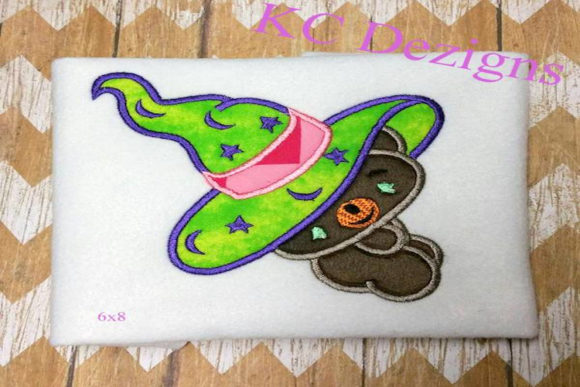
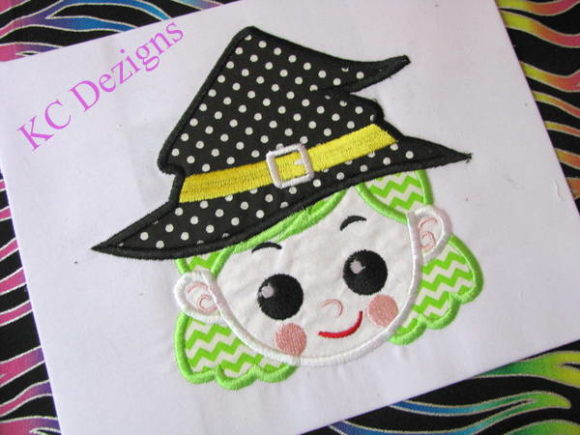
The first thing I noticed about Witchy Girl is its approachable, whimsical tone. The character is cute and festive, with a classic witch hat and flowing hair, rendered in a machine applique style that adds texture and dimension. The emotional feel is more playful than eerie, which makes it suitable for a wide audience—from children’s Halloween outfits to family matching sets. The detail level is moderate, with clean lines that read well from a distance. This is a smart choice for sellers who want to appeal to buyers looking for handmade gifts that feel cozy and nostalgic rather than frightening.
When I evaluate a machine embroidery design for a seasonal collection, I look for versatility. Witchy Girl delivers: it can be stitched on a variety of blank products, from basic t-shirts to premium sweatshirts. The applique nature means you can choose fabric for the hat and dress, allowing for custom color combinations that match a brand’s palette. This flexibility is a huge plus for Etsy sellers and small shop product creators who need to differentiate their offerings.
Real Selling Scenarios: Where Witchy Girl Shines
I’ve tested this design across several product categories, and it consistently performs well in settings where customers are looking for a quick, recognizable holiday theme. Here are some of the best applications I’ve found:
- Sweatshirt embroidery – The design’s moderate size and clean fills make it ideal for a chest or back placement on unisex sweatshirts. Pair it with a fall color palette like burnt orange, deep purple, or olive green for a warm seasonal look.
- Tote bag design – A canvas tote featuring Witchy Girl becomes a reusable shopping bag or a gift tote for Halloween treats. The applique adds a handmade touch that customers appreciate.
- Kitchen towel embroidery – For a quick seller, stitch this design on a flour sack towel. It’s a low-cost, high-impression item that works well for craft fairs or as a stocking stuffer.
- Pillow cover – A toss pillow with Witchy Girl can be a seasonal home decor piece. Use contrasting thread colors to make the design pop against the fabric.
- Embroidered patch – Convert the design into a patch by using a heavy stabilizer and a satin stitch border. Patches are easy to ship and allow customers to personalize jackets, backpacks, or hats.
- Baby items and aprons – The cute, non-scary style makes it safe for toddler onesies, bibs, or children’s aprons for Halloween baking.
In a holiday embroidery collection, Witchy Girl can anchor a limited edition line of apparel and accessories. I’ve seen similar designs generate strong sales during the weeks leading up to Halloween, especially when paired with matching family sets. The design’s visual recognition is high—customers immediately identify it as Halloween, which helps with searchability on platforms like Etsy.
Where to Use Caution: Technical Considerations
No design is perfect for every situation, and Witchy Girl has a few areas where I recommend extra care. Based on my testing, here are the key points to watch:
- Small hoop sizes – If you try to stitch this design in a very small hoop (like a 4x4), the applique pieces may become too small to handle cleanly. The overall image might lose detail, especially in the facial features. Stick with a larger hoop (5x7 or larger) for best results.
- Tiny lettering or fine details – The design does not include small text, but if you plan to add a name or a short phrase, be aware that the applique layers can compete with dense lettering. Test the combination on a scrap piece of fabric first.
- Thick towels or dark fabric – When stitching on thick terry towels, the applique may not lie flat without a water-soluble stabilizer on top. For dark fabric, choose thread colors that contrast well—metallic or neon thread can work, but test for density issues.
- Stretchy garments – T-shirts and knit fabrics require a cutaway stabilizer and possibly a temporary spray adhesive to prevent shifting. The applique process involves multiple stops for trimming, so the fabric needs to remain stable.
- Dense stitch areas – The satin stitching around the applique can be dense. If you notice puckering, reduce the stitch density in your software or use a lighter-weight backing. Always test on a similar fabric to your final product.
- Commercial embroidery – If you plan to produce dozens of pieces for a craft fair or online store, consider the time per stitch. The applique steps add time compared to a standard fill design. Factor that into your pricing.
Seasonal Appeal and Buyer Emotion
What makes a seasonal embroidery design successful? It’s not just about the holiday—it’s about the feeling the product evokes. Witchy Girl taps into the playful, slightly mischievous side of Halloween. Buyers who purchase handmade gifts for Halloween often want something that feels personal and festive without being gory or scary. This design delivers that balance. It also works well for personalized gifts—add a name or a date to the back of the garment, and you’ve created a keepsake.
From a product value perspective, the applique technique gives the finished item a premium look. Customers perceive handmade applique as more time-intensive and valuable than a standard embroidery-only design. This can justify a higher price point. For Etsy sellers, this design can be a strong addition to a Halloween collection that includes both low-cost items (like patches) and higher-priced goods (like hoodies).
In terms of brand consistency, if your shop has a cute, whimsical aesthetic, Witchy Girl fits right in. If you tend toward more rustic or modern styles, the applique can be adapted by using linen or cotton fabric for the pieces instead of felt. The design is flexible enough to suit different brand voices.
Practical Notes from the Stitching Table
Before you download Creative Fabrica embroidery files and start stitching for your holiday line, here are a few steps I always take:
- Test thread colors on light and dark fabric. The applique fabric and thread colors should contrast enough that the design reads clearly. I recommend stitching a test piece on both white and black fabric to see how the colors perform.
- Check stitch density. Use your embroidery software to review the stitch count and density. If the design has very dense satin stitches, consider reducing the density or using a lighter stabilizer to avoid puckering.
- Confirm hoop size. Make sure the design fits within your available hoop. If you need to resize, do so in software that preserves the proportions of the applique pieces.
- Use proper stabilizer. For most apparel, a cutaway stabilizer is best. For towels or fleece, consider a tearaway with a topping stabilizer to keep the stitches from sinking.
- Create realistic mockups. Before listing, use a printable mockup to show the design on a sweatshirt, tote bag, or pillow. This helps customers visualize the finished product and increases conversion rates.
- Review small details after stitching. Check the eyes, hat, and hair for any skipped stitches or loose threads. The applique process can sometimes shift the fabric, so a final inspection is crucial.
- Plan matching color palettes. Since the design uses applique, you can choose your own fabric colors. I recommend sticking to a limited palette of 2-3 colors for a cohesive look. For example, a black hat, orange dress, and green accents.
- Check Creative Fabrica product details and licensing. Every digital embroidery file comes with specific usage terms. Make sure you understand the license for commercial use, especially if you plan to sell finished products on Etsy or at craft fairs. Some licenses prohibit selling unlimited quantities or require a extended license for mass production.
One more tip: the Witchy Girl design works beautifully as a standalone piece, but it also pairs well with other small Halloween motifs like stars, moons, or bats. Consider creating a “Halloween Capsule” collection where you stitch this design on a shirt, matching hat, and tote bag, and sell them as a bundle. That approach can increase average order value and give customers a complete look.
Final Verdict: A Solid Addition to Any Seasonal Collection
After testing Witchy Girl on several blanks and reviewing its performance in mockups, I feel confident recommending it to other embroidery designers. The machine applique design is well-constructed, the seasonal appeal is strong, and the versatility across product types makes it a smart investment for anyone creating holiday embroidery items. Whether you’re a seasoned small shop product creator or just starting your Etsy seller journey, this design can help you build a cohesive, sellable Halloween line. Just remember to test your stabilizer, thread, and fabric combinations before committing to bulk production, and always check the licensing terms for your intended use. With these steps in place, you’ll be able to offer your customers a charming, handmade piece that celebrates the season with style.