Jcb Backhoe Loader: Bluework Embroidery for Boutique
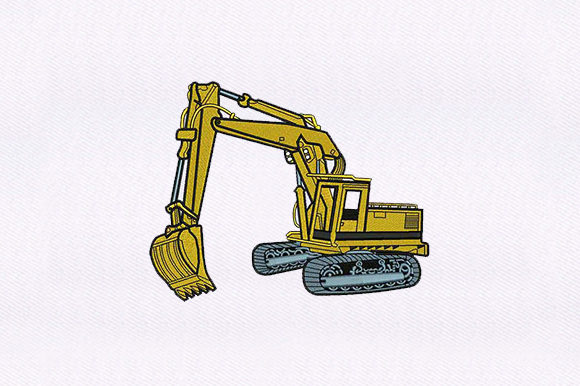
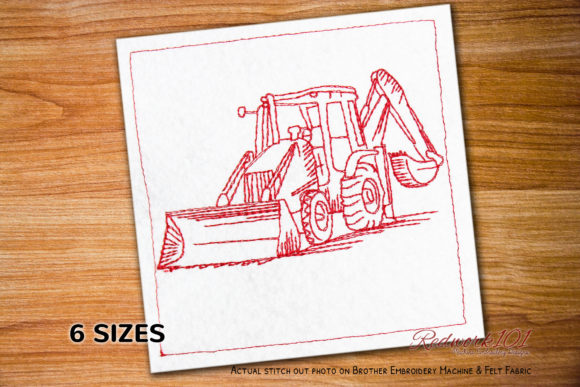
When I first opened the Jcb Backhoe Loader machine embroidery design from Creative Fabrica, I was immediately drawn to its clean, hand-drawn feel. This is a bluework embroidery piece, meaning the line art style carries a lot of the visual weight. The design features a detailed backhoe loader, likely intended for transportation-themed projects, but the execution feels more like a sketch than a dense fill. As someone who spends hours testing embroidery files for sweatshirt embroidery and hoodie design collections, I appreciate when a design brings both personality and practicality. Let me walk you through what I saw when I evaluated this Creative Fabrica embroidery product for real boutique apparel use.
First Impressions: Visual Mood and Stitching Personality
The Jcb Backhoe Loader design has a classic, almost nostalgic charm. The bluework style lends itself to a minimal, rustic, yet playful mood. It is not overly detailed to the point of being busy, but it does have enough machinery elements to satisfy a transportation theme. The stitch density appears moderate—the lines are crisp and likely formed by satin or running stitches. The optional box stitch shown in the picture is a nice touch, but it is clearly marked as optional. The outer box color may differ in most designs, so if you want a cohesive look, you will need to plan your thread colors carefully. The overall impression is that this design feels casual and trendy, perfect for custom apparel that aims for a handcrafted, boutique feel.
Case Scenario: Building a Small Sweatshirt Collection
Imagine you are preparing a small collection of neutral sweatshirts and pastel hoodies for your online shop. You want designs that feel premium but not heavy. The Jcb Backhoe Loader fits well here because its bluework aesthetic does not overwhelm the garment. On a cream or light gray sweatshirt, the design would stand out beautifully without competing with the fabric texture. The line art allows the natural fabric to show through, which is excellent for fleece and ribbed fabric where dense fills can cause puckering. For dark garments, you will want to use a light thread color—perhaps a soft blue or white—to ensure the backhoe loader reads clearly. The optional box stitch could add a frame, but I would test it on scrap fabric first to see how it interacts with the main design.
Placement Possibilities: Chest, Sleeve, and Back
One of the strengths of this embroidery file is its versatility in placement. For a hoodie design, a small chest placement works well. The backhoe loader’s shape is about average size, so it should fit nicely centered on the left chest of an adult hoodie. If you are creating oversized garments, you could also try a sleeve accent—place the design on the upper arm or even vertically along the sleeve seam. The bluework style is light enough to not distort the sleeve curvature. For a back design, you may need to enlarge the design, but be cautious: enlarging bluework can stretch the stitch lengths and affect the sketch-look. I recommend testing at multiple sizes to see what works for your boutique brand.
Small Chest Placement on T-Shirts and Denim Jackets
On a standard t-shirt embroidery, the design sits well when scaled down. The detail remains legible, and the optional box stitch can be skipped to keep the look minimal. On denim jackets, the bluework stands out against the textured fabric, especially if you use a contrasting thread color. Just be aware that denim can be heavy, so you will need a strong stabilizer to prevent distortion. The design’s style feels unisex, which is a plus for merchandise targeting both men and women.
Practical Performance on Different Fabrics
As a designer, I always consider how a design behaves on stretchy fabrics versus stable ones. The Jcb Backhoe Loader, with its open line work, is generally forgiving. On fleece and ribbed fabric, the design does not have dense stitch areas that would cause the fabric to pucker or ripple. However, you should still use a cutaway stabilizer for knits and a tearaway for wovens. The optional box stitch, if used, could add some density, so test it on a similar garment fabric first. For curved surfaces like a hoodie’s kangaroo pocket, the design may need to be placed flat to avoid distortion. I would not recommend placing it on high-stretch areas like the side seams without extra stabilization.
Impact on Apparel Value and Brand Identity
Using a unique design like this machine embroidery design can elevate your handmade product and increase buyer trust. Shoppers look for original and well-executed embroidery. The Jcb Backhoe Loader gives your custom apparel a professional, intentional look. It is not a generic clip art design; it has a sketch-like quality that feels handcrafted. This builds product recognition and helps your boutique brand stand out in a crowded market. For Etsy sellers, having a cohesive collection of transportation-themed designs can attract a niche audience. You can also use the design in printable mockups and social media graphics to showcase the finished product, which aids in customer engagement.
Designer Notes: Testing and Preparation
Before you start production, I recommend these steps:
- Test on scrap fabric first to see the actual stitch density and thread behavior. The bluework style may look different on various fabric textures.
- Check stabilizer choice. For fleece, use a cutaway stabilizer. For lightweight t-shirts, a tearaway may suffice. The optional box stitch may require more stability.
- Review thread color contrast. The design is likely intended for one color, but you can get creative. The outer box color may differ, so decide if you want a uniform look or a contrasting frame.
- Confirm hoop size. The design’s dimensions are not specified in the product description, so you need to open the file in your software and check the bounding box. Ensure it fits your hoop before loading.
- Inspect stitch density in your digitizing software. Bluework should have low density, but the optional box stitch might add extra stitches. Adjust if necessary.
- Test on similar garment fabric to the final product. If you plan to sell sweatshirt embroidery on a specific brand of blanks, run a test piece to see how the fabric handles the design.
- Compare placement options using a printable template. This helps avoid mistakes during production, especially for hoodie design on curved fronts.
- Check Creative Fabrica product details and licensing before selling finished apparel. The description mentions the box stitch is optional, but you should confirm the license terms for commercial use.
Where to Use the Design Carefully
While the design is versatile, there are a few areas where I would be cautious:
- Dense stitch areas – The optional box stitch could create a dense border. If your fabric is lightweight, the box may cause puckering. Consider skipping it.
- Stretchy fabric – The line art may stretch if the garment is pulled during hooping. Use a firm stabilizer and hoop the fabric tightly but gently.
- Fleece and ribbed fabric – These fabrics can swallow fine details. You may need to slightly increase the design size or choose a thicker thread.
- Dark garments – The bluework style relies on contrast. If you use a dark thread on dark fabric, the design will be invisible. Always test with a contrasting thread.
- Curved surfaces – Avoid placing the design directly over a curved seam or pocket where the fabric shape distorts the design.
- Tiny lettering – This design does not appear to have small text, but if you add any, ensure it is at least 5mm tall to remain legible.
Final Thoughts on Jcb Backhoe Loader for Boutique Projects
The Jcb Backhoe Loader from Creative Fabrica embroidery is a solid addition to any custom apparel lineup. Its bluework aesthetic gives it a handmade, artistic feel that works well on sweatshirt embroidery, hoodie design, t-shirt embroidery, and even tote bag design. The optional box stitch adds flexibility, but I recommend testing it before committing. As an embroidery designer, I value designs that are easy to work with and that enhance the final product’s visual appeal. This design does that without being overly complex. For Etsy sellers and small shop products, it offers a way to differentiate your brand with a distinctive transportation theme. Just remember to check the digital embroidery file for hoop size and stitch details before you start production. With proper preparation, the Jcb Backhoe Loader can be a reliable and attractive design for your next collection.