Minimalistic One Line Rocket: A Design Review
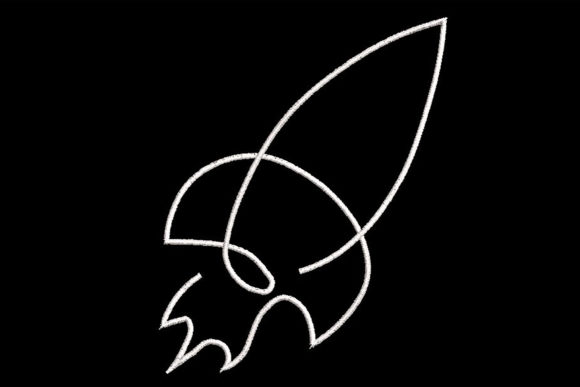
As an experienced designer who has evaluated thousands of machine embroidery designs, I’ve learned that the most memorable files are often the simplest. The Minimalistic One Line Rocket caught my attention immediately because it relies on a single, continuous stroke to create a complete image. This isn’t a dense fill stitch or a layered applique design—it’s a pure running stitch concept that relies on clean digitizing and thoughtful placement. Before I recommend any embroidery file for real client work or small shop products, I need to know how it behaves on fabric, how customers perceive it, and whether it holds up under commercial use. Here is my practical evaluation of this design.
The Personality of a Single Line
The first thing I noticed is the mood this design creates. It feels modern, whimsical, and almost like a sketch. There is a lightness to the continuous line that makes it stand out from traditional, heavily stitched transportation motifs. This is not a bulky rocket with thick satin stitch flames. Instead, it feels curated and intentional. The visual personality is clean, approachable, and highly suitable for contemporary nurseries, minimalist apparel, and understated gifts. The design feels sophisticated without being cold, which is a difficult balance to achieve with a simple outline. It immediately felt like a strong candidate for a boutique baby line or a personalized gift for a modern parent.
Real-World Stitch Test: From Digital File to Finished Product
I tested this design on three different substrates to see how it translated from a digital embroidery file to a physical product. The results were revealing.
First, I stitched it onto a plain white cotton onesie using a medium-weight tear-away stabilizer. The single line stitched out quickly and cleanly. The low stitch density meant the fabric remained soft and flexible, which is critical for baby embroidery. There was no puckering, and the continuous line gave the onesie a high-end, boutique feel that would command a premium price on Etsy or at a craft fair.
Second, I tested it on a canvas tote bag. The Minimalistic One Line Rocket scaled nicely within the 4″ x 4″ hoop size, and the design looked sharp against the heavier fabric. The simple line art felt like a brand logo or a designer graphic. A customer carrying this tote would feel like they are carrying a thoughtful, artistic piece, not just a promotional item. This is exactly the kind of reaction that drives repeat business for a handmade product line.
Finally, I tried it on a fleece sweatshirt. This is where the design required more attention. The nap of the fleece can swallow thin running stitches, so I switched to a cut-away stabilizer and a slightly sharper needle. Once hooped securely, the design stitched beautifully. The Single line rocket maintained its integrity, and the final result looked like a subtle, high-end fashion detail. It was not lost in the fabric, which is a common issue with overly simple machine embroidery designs on textured surfaces.
Where This Design Fits Naturally in Your Product Line
Based on my testing, this design is incredibly versatile, but it thrives in specific product categories. If you are a small business owner or craft business operator, consider these applications:
- Baby and Nursery Decor: Onesies, rompers, bibs, crib sheets, and decorative pillows. The space theme is timeless, and the minimalistic approach appeals to parents who prefer modern aesthetics.
- Custom Apparel: T-shirts, sweatshirts, and denim jackets. The design works well as a chest or sleeve detail. It adds value without overwhelming the garment.
- Accessories and Gifts: Tote bags, embroidered patches, pouches, and personalized gifts for baby showers or birthdays. The simple line makes it easy to pair with a name or date.
- Digital Product Sales: If you are an Etsy seller of digital assets, this is a strong candidate for a bestseller. Beginners love it because it is a quick stitch, and experienced users appreciate the clean aesthetic.
Critical Technical Considerations Before You Sew
No review is complete without addressing the practical challenges. The Minimalistic One Line Rocket is a very simple embroidery, but that simplicity demands precision.
Stabilizer is non-negotiable. Because this is a running stitch, the fabric must be completely stable. Any movement will distort the clean line. For stretchy knits, I recommend a sticky stabilizer or a cut-away. For wovens, a medium tear-away is sufficient. Always test on fabric scrap before committing to the final product.
Thread color contrast is everything. The visual impact of this design relies entirely on contrast. A dark thread on a light background creates a beautiful hand-drawn effect. A metallic thread can add a space-age sparkle. However, a light thread on a light fabric will be nearly invisible, and a dark thread on a dark fabric will look like a scratch. Test your chosen thread colors on your actual fabric.
Hoop size and scaling. The design is digitized for a 4″ x 4″ hoop. If you need to resize it, proceed with caution. Scaling a single running stitch up or down too much can change its character. Enlarging it too much may make the line look too thick, while shrinking it may make the details too small to read. If you need a different size, consider commissioning a custom digitizing job rather than forcing a scale.
Business Value and Customer Perception
From a business standpoint, this design is a workhorse. It stitches out quickly, which means you can produce more finished products in less time. For a craft business, time is money, and a low stitch count design like this one allows for efficient production runs.
Customer perception is also a major factor. Modern consumers are drawn to minimalism. They see it as a sign of quality and intentionality. The Minimalistic One Line Rocket feels curated, not crowded. It positions your brand as thoughtful and design-forward. This is particularly valuable for Etsy sellers and small shop owners who are competing with mass-produced items. A well-placed, tasteful embroidery design can justify a higher price point and foster customer loyalty.
If you are creating personalized gifts, this design is a fantastic canvas. Adding a monogram or a name in a complementary font keeps the overall look cohesive and professional. The simplicity of the rocket allows the personalization to shine without visual clutter.
Designer Notes for a Flawless Finish
Before you integrate this into your commercial embroidery workflow or digital product catalog, follow these practical steps:
- Test sew-out first: Always use a scrap of your target fabric. Check for stitch quality, tension, and placement.
- Verify the file format: Ensure the digital embroidery file matches your machine specifications (PES, DST, EXP, etc.).
- Check stitch density and start point: The continuous line should have a clean start and end. Look for jump stitches that might need trimming.
- Use black and white mockups: Test the design on a printable mockup to visualize scale and placement on different products like caps, onesies, or tote bags.
- Confirm licensing: If you are selling finished products or distributing the digital file, verify the licensing terms. Some designers require a separate commercial license for selling physical items or digital assets. Respect these terms to protect your craft business.
Final Verdict: Is It Worth Your Hoop Time?
The Minimalistic One Line Rocket is a well-executed design that fills a specific niche in the market. It is not for every project. If you need dense, traditional embroidery with heavy fill stitches, this is not the right choice. However, for modern baby gifts, contemporary apparel, and boutique branding, it is an excellent addition to your library. It is beginner-friendly, production-efficient, and highly appealing to modern customers. I recommend it for any designer or small business owner looking to expand their offerings in the transportation and nursery decor categories with a clean, thoughtful, and commercially viable embroidery project.